Rainwater Harvesting: Berms and Swales
In the fourth post in our Rainwater Harvesting series, learn how to design and build berms and swales to slow, spread, and sink water on sloped landscapes.

In the fourth post in our Rainwater Harvesting series, learn how to design and build berms and swales to slow, spread, and sink water on sloped landscapes.

In our alumni spotlight for this month, we interviewed Julia Herring, who received her Permaculture Design Certificate (PDC) in 2018 through our course.

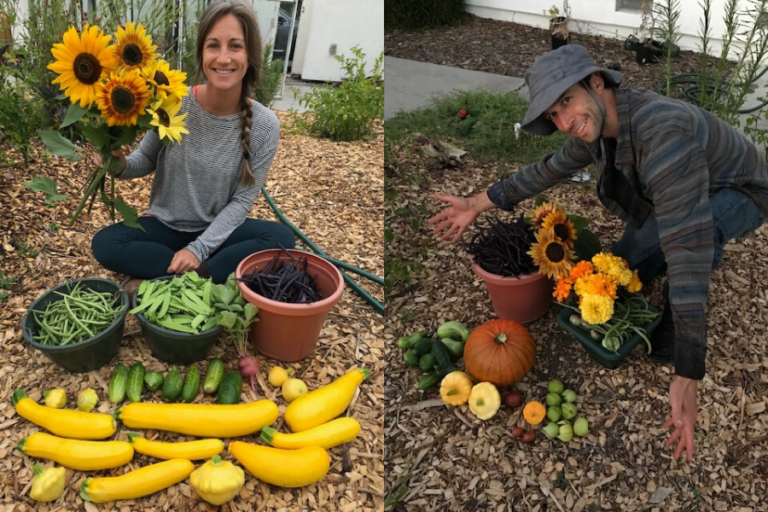
An interview with Santa Cruz Permaculture PDC alum TJ Silva and his fiance Carli Cullens, of All Good Things Farm in the Salinas Valley, CA.

The third in our Rainwater Harvesting series, this post about tanks and cisterns discusses how to catch and store rainwater for potable use and washing.

by Giovanni Castaldo, Santa Cruz Permaculture Design Course participant This series of blog posts about Rainwater Harvesting provides an overview of some of the key practices. It’s informed and guided by the book Rainwater Harvesting for Drylands and Beyond, one of Brad Lancaster’s approachable and inspiring works. As discussed in the prior post in this series, the first principle of

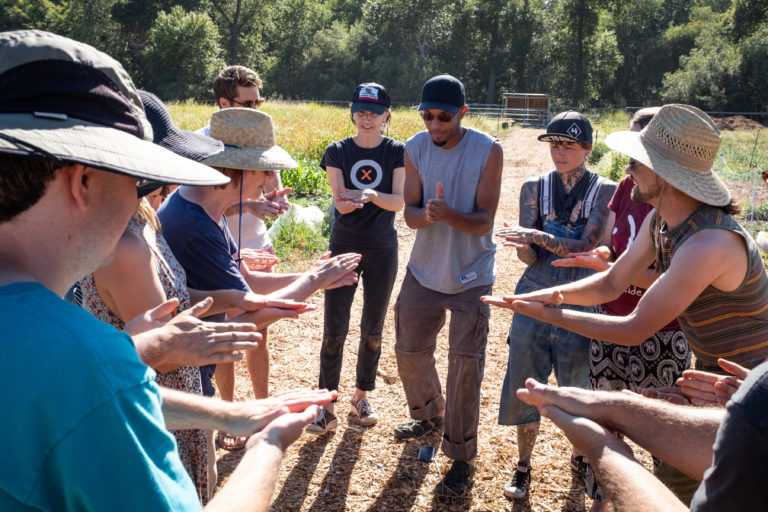
[vc_row][vc_column][vc_gallery interval=”3″ images=”2083,2104,2103,2101,2100,2099,2094,2082,2102,2097,2098,2078″ img_size=”full”][vc_column_text] Permaculture Food Forests Planning, Growing and Enjoying Year Round Abundance An Applied Permaculture Practicum in Santa Cruz & Surrounding Region Starts Every August [/vc_column_text][/vc_column][/vc_row][vc_row][vc_column width=”1/2″][vc_column_text] Do you want to gain hands-on skills and build community around growing food? Interested in learning best practices for orchard establishment and management, food forestry, designing year round productive vegetable farms and

[vc_row][vc_column][vc_gallery interval=”3″ images=”2095,2075,2094,2093,2092,2076,2090,2091,2089,2088″ img_size=”full”][vc_column_text] What is Permaculture & Whole Systems Design? Permaculture is an ethically based whole-systems design approach that uses concepts, principles, and methods derived from ecosystems, nature connected communities, and other time-tested systems to create human settlements and institutions. It’s also been called “saving the planet while throwing a better party.” Learn more about permaculture. Grounded in the
[vc_row content_placement=”middle”][vc_column][vc_column_text] These are courses and workshops that Santa Cruz Permaculture has offered previously. You are encouraged to sign up for our newsletter to learn about future offerings. Please email us if you’d like us to offer any of these courses again. [/vc_column_text][/vc_column][/vc_row][vc_row content_placement=”middle”][vc_column width=”1/2″][vc_single_image image=”910″ img_size=”full” alignment=”center” onclick=”custom_link” link=”https://santacruzpermaculture.com/economy/”][/vc_column][vc_column width=”1/2″][vc_column_text] Systems Change & the Next Economy Regenerative Design for

The content in this post was written by Golden Love in the April 3 Love’s Gardens newsletter. We found it so useful, we wanted to share! It is reprinted with his permission.

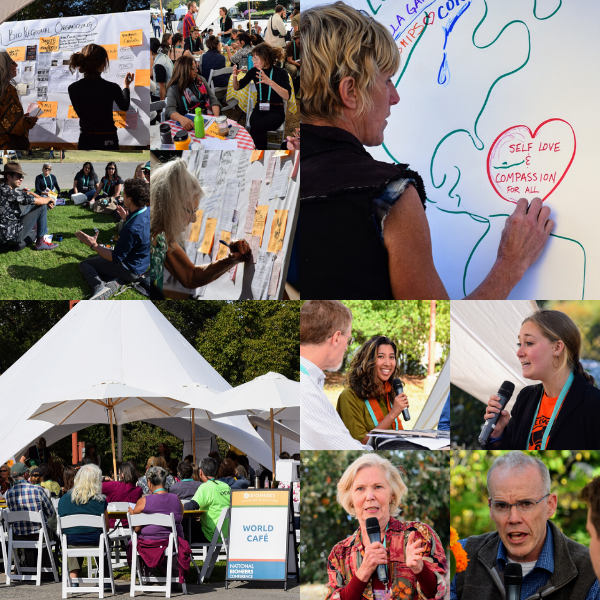
Conversations, inspirations, and ideas that emerged in Santa Cruz during four events with Mark Lakeman about redesigning the city for urban placemaking.
Get an email twice a month with regional permaculture news, offerings, and community events. We don’t share your email address, ever. Unsubscribe at any time. *Required field.